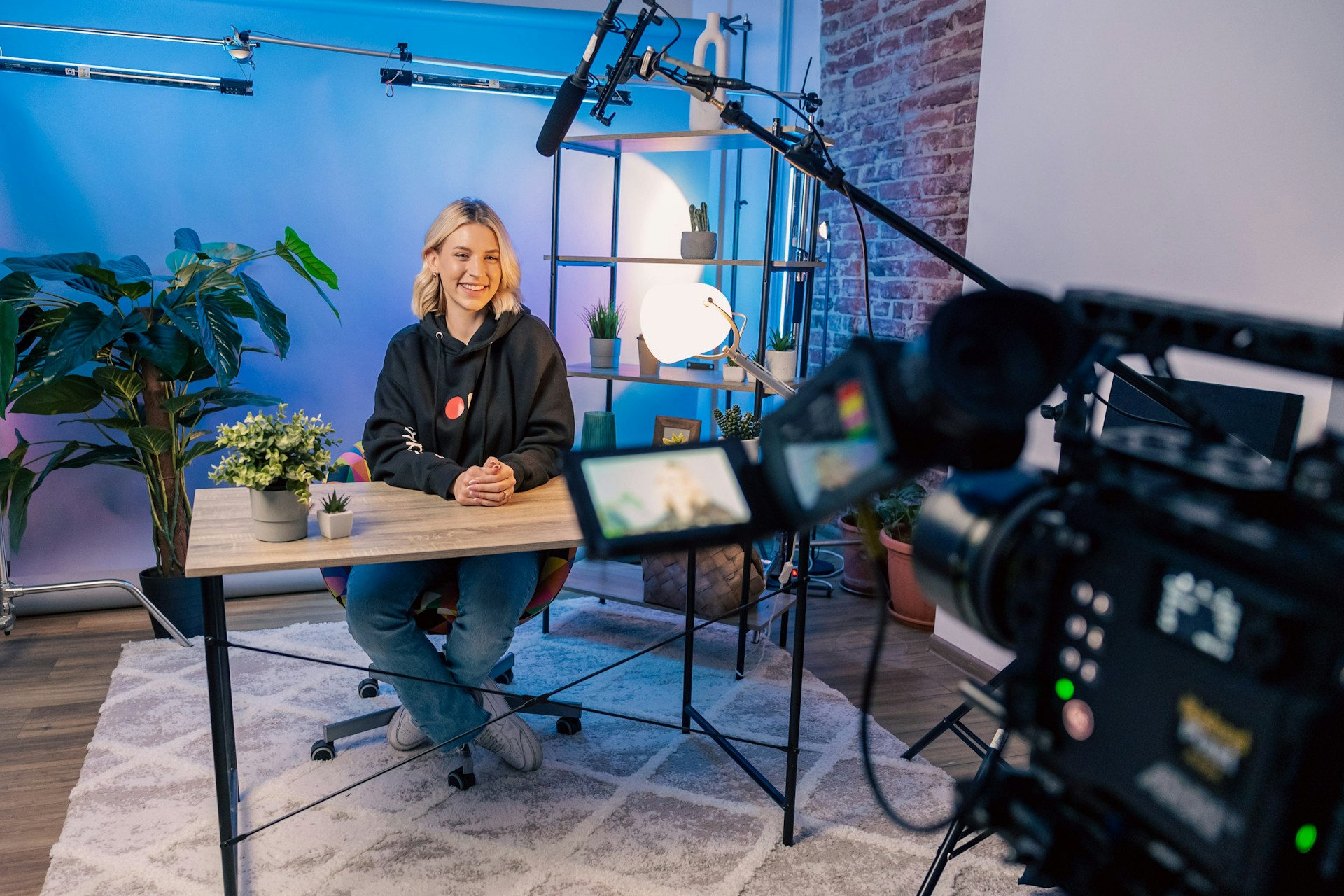
Most solo founders know they should create content.
Very few do it consistently once client work starts filling the calendar.
This post is the practical content system that fits inside a one-person business. It is designed to work with the tools and rules already on this site — the Best AI Tools for Solopreneurs, the daily operating system, the under-$100 stack, and the decision framework — without competing with them.
The goal is simple: publish useful content every week without letting it take over your business.
The Core Principle
Content should support client acquisition and authority. It should never become a second full-time job.
If a content task regularly steals time from delivery or sales, the system is too heavy.
The Minimum Viable Content System
- One main content type (choose the one that feels least painful)
- One primary distribution channel
- A simple weekly rhythm
- AI for the heavy lifting, you for the judgment and final voice
Everything else is optional until the basics are habitual.
Step 1: Choose Your Main Content Type
Pick only one to start:
- Short written posts (LinkedIn, X, newsletter)
- Long-form articles or guides (like this site)
- Simple video or voice notes
- Carousel / visual posts
Most solo service businesses get the highest return from short written posts + occasional longer pieces. Video and heavy design come later.
Step 2: The Weekly Content Workflow (60–90 Minutes)
This fits inside the morning block of the daily operating system.
Monday or Tuesday (45–60 min)
- Open your generalist assistant (ChatGPT or Claude)
- Give it 3–5 recent client questions, observations, or problems you solved
- Ask for 5–7 content angles or outlines
- Pick 1–2 that feel true and useful
- Draft the core post or article
Later the same day or next day (15–30 min)
- Edit for your voice
- Run it through Grammarly free
- Add one personal story or specific example
- Schedule or publish
That is the entire core system. No complex content calendar required at the beginning.
Step 3: Use AI the Right Way (and the Wrong Way)
Good uses
- Turning messy notes into clean outlines
- Generating multiple angles from one idea
- Expanding a short post into a longer guide
- Creating first-draft social captions from a long article
- Repurposing one piece into 3–4 smaller pieces
Bad uses
- Publishing raw AI output without heavy editing
- Letting AI invent client stories or results
- Creating content about topics you have no real experience with
Your judgment and real experience are the only durable advantage. AI just removes the blank-page problem.
Step 4: Light Distribution (Do Not Overbuild)
- Post on the one channel where your ideal clients already are
- Share the same piece in your email list if you have one (Best AI Email Marketing Tools)
- Save everything in your workspace (Notion or ClickUp) so you can reuse and repurpose later
Only add scheduling tools, design tools, or video tools when the basic written system is already consistent. Use the decision framework before any new subscription.
Recommended Content Stack (Keep It Small)
| Need | Tool | Cost |
|---|---|---|
| Ideation & drafting | ChatGPT or Claude | Free–$20 |
| Editing | Grammarly free | $0 |
| Workspace & archive | Notion or ClickUp free | $0 |
| Light design (optional) | Canva free | $0 |
| Scheduling (optional) | Native platform or free tool | $0 |
This is intentionally smaller than a full marketing stack. Expand only after the weekly habit is solid.
How This Supports Getting Clients
Consistent content does three useful things:
- Makes outreach warmer (people have seen your thinking)
- Creates inbound conversations over time
- Gives you material to reference in proposals and calls
It works best when paired with the direct outreach system in How to Get Your First Clients.
Common Content Traps to Avoid
- Trying to be on every platform at once
- Building a complicated content calendar before you have a weekly habit
- Measuring success only by likes instead of conversations or clients
- Publishing more volume than you can edit properly
FAQ
How often should a solo founder publish?
Once a week is enough to build momentum. Twice a week is excellent if it stays sustainable. Daily is rarely necessary and often counterproductive.
Do I need a separate AI writing tool?
Usually no. A strong generalist assistant plus Grammarly covers the majority of solo content needs. See Best AI Writing Tools.
What if I have nothing to write about?
Use real client questions, problems you solved this week, or mistakes you see others making. Those are almost always more useful than generic advice.
Should content come before or after client acquisition efforts?
Do both in parallel, but give priority to direct outreach until you have consistent conversations. Content compounds; outreach produces faster feedback.