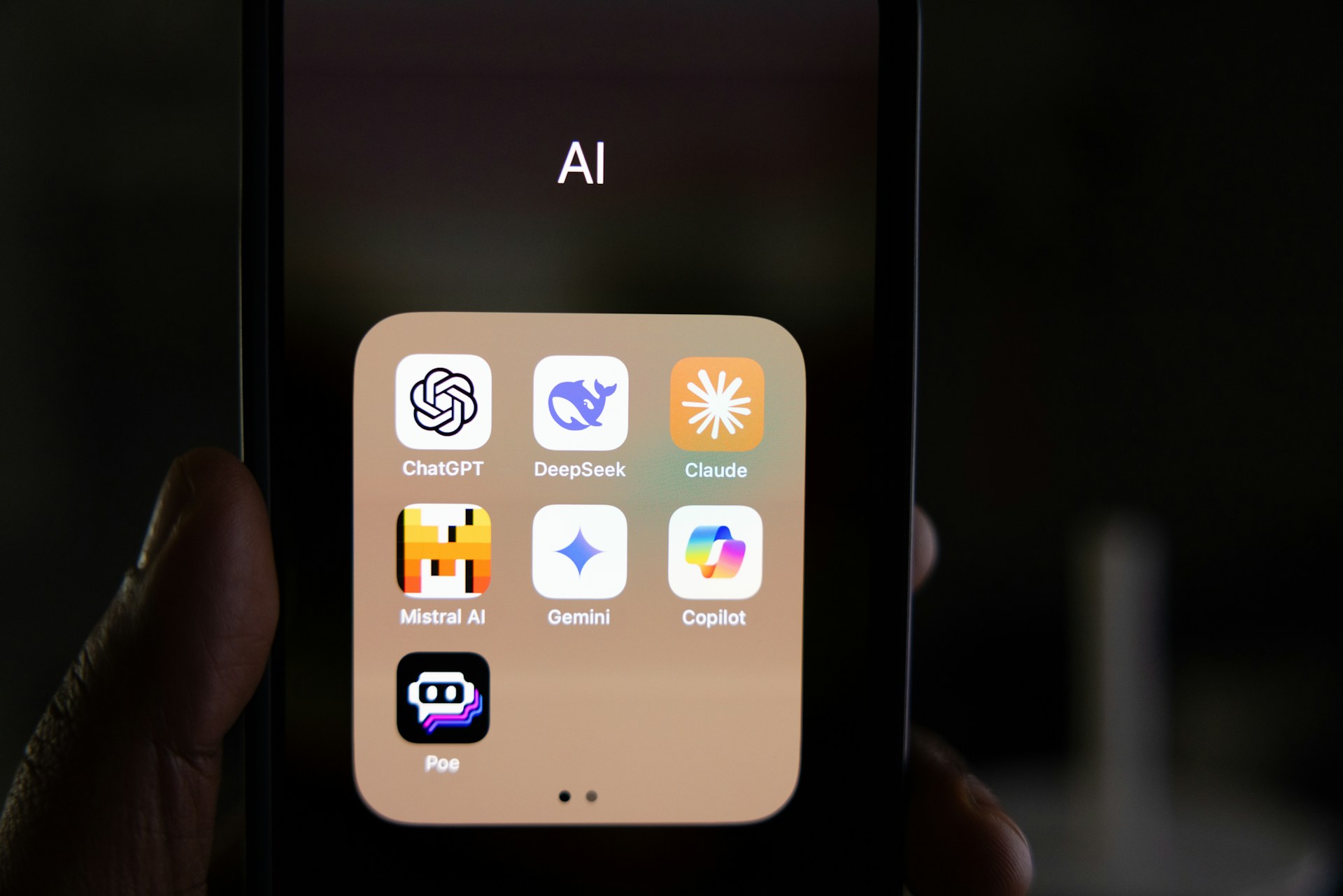
ChatGPT remains the stronger all-rounder for most solo founders and freelancers. Grok wins in a few specific situations — mainly real-time information from X and a more direct, less filtered style.
Here’s a practical comparison focused on daily business use rather than benchmark leaderboards.
Quick Verdict
| Need | Better Choice | Why |
|---|---|---|
| Everyday writing, proposals, mixed tasks | ChatGPT | More polished output, broader features, stronger ecosystem |
| Real-time news, trends, X/Twitter data | Grok | Native live access to X posts |
| Less filtered, more direct answers | Grok | Intentionally lighter guardrails |
| Lowest friction for most solo work | ChatGPT | Better default experience for professional tasks |
| Starting free | Either | Both have usable free tiers |
ChatGPT — The Safer Daily Driver for Most Solo Operators
ChatGPT is still the tool most freelancers and one-person businesses reach for first — and for good reason.
It handles a wide range of work well: drafting emails and proposals, research summaries, light analysis, image generation, and everyday client communication. The output usually needs less cleanup for professional use, and the overall feature set is broader.
Where it shines for solo work
- Client proposals, reports, and polished writing
- Mixed daily tasks (writing + research + quick images)
- Consistent, professional tone with less prompting
- Larger ecosystem of tools and integrations
Limits
- Real-time social and breaking information trails Grok
- Can feel overly cautious or generic without strong direction
ChatGPT remains a core recommendation in both the Best AI Tools for Solopreneurs and Best AI Tools for Freelancers guides. It also pairs naturally with the writing approach covered in Best AI Writing Tools.
Grok — Strongest When Real-Time Context Matters
Grok’s biggest advantage is live access to X (formerly Twitter).
When you need to know what people are saying right now — market reactions, breaking news, social sentiment, or trending conversations — Grok pulls that information directly. ChatGPT’s web browsing is useful but not the same as native, real-time X data.
Grok also tends to answer more directly and with fewer refusals. Some people prefer this style; others find it less suitable for client-facing work.
Where it shines
- Monitoring real-time discussions and trends on X
- Fast answers that feel less filtered
- Image and short video generation (Grok Imagine)
- Users who already spend time on X
Limits
- Generally trails ChatGPT on polished long-form writing and complex professional documents
- Smaller ecosystem and fewer third-party integrations
- Paid entry point is often higher than ChatGPT Plus for comparable access
Pricing Reality (Late 2026)
Both tools offer free tiers with limits.
- ChatGPT: Free tier is usable. Paid plans typically start around $8 (Go) and $20 (Plus). Higher Pro tiers exist for heavy users.
- Grok: Free tier available. Standalone paid plans often start around $10 (Lite) and $30 (SuperGrok). Access is also available through certain X Premium subscriptions.
ChatGPT Plus at ~$20 is usually the better value for most solo operators who want a capable daily assistant. Grok becomes more attractive if you already pay for X Premium or specifically need the real-time X advantage.
Always verify current pricing on the official sites, as both companies adjust plans regularly.
How to Decide
Ask yourself these questions:
- Do I regularly need up-to-the-minute information from X or social platforms? → Give Grok serious consideration
- Is most of my work writing, client communication, proposals, or mixed professional tasks? → Start with ChatGPT
- Do I already pay for X Premium? → Test Grok before adding another subscription
- Do I prefer more direct, less cautious answers? → Grok may feel better day-to-day
Many people end up using ChatGPT as the primary tool and opening Grok only when real-time social context is required. That combination follows the same practical “use what solves the actual bottleneck” approach outlined in How to Choose AI Tools Without Wasting Money.
For a broader view that also includes Claude and Gemini, see ChatGPT vs Claude vs Gemini for Business.
FAQ
Is Grok better than ChatGPT overall?
No. ChatGPT is still the stronger general-purpose tool for most solo business and freelance work. Grok wins in specific areas — mainly real-time X data and a more direct style.
Can Grok replace ChatGPT for client work?
It can for some people, especially if your work involves heavy monitoring of social conversations. For polished proposals, long documents, and everyday professional writing, most users still prefer ChatGPT.
Should I pay for both?
Only if you have a clear, repeated need for both real-time X context and ChatGPT’s broader strengths. Most solo operators do fine with one primary paid assistant.
Which has the better free tier?
Both are usable. ChatGPT’s free tier is generally more generous for everyday text work. Test both with your actual tasks before paying.
Does this ranking change often?
Yes. New model releases shift the balance. The practical framework above (real-time social needs vs polished daily work) tends to stay useful longer than any single benchmark score.
For most freelancers and solo founders, ChatGPT remains the better default. Add Grok when live information from X becomes a regular part of your work. Test both with the tasks you actually do this week — that will tell you more than any comparison article.